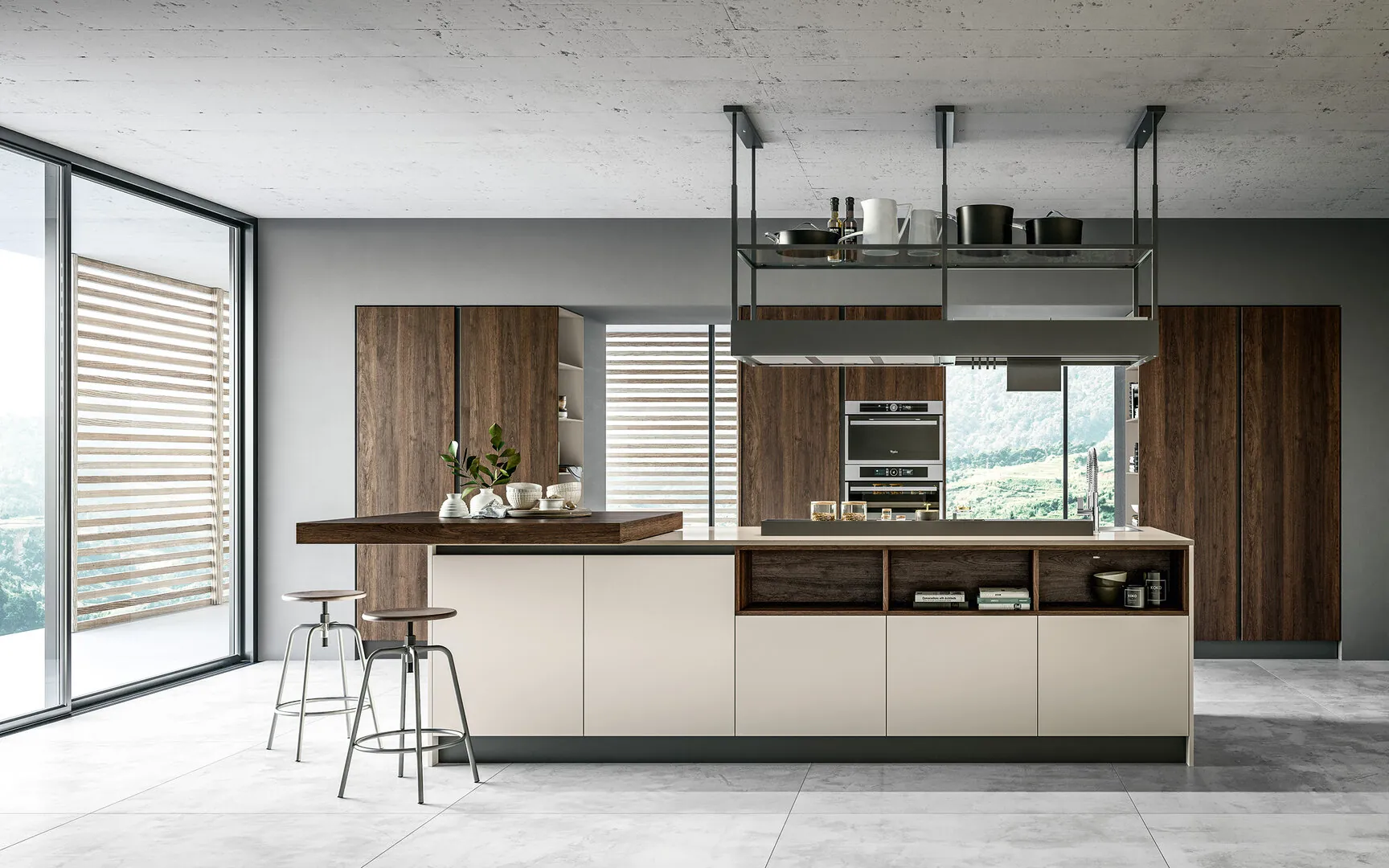
The Role of Ergonomics in Kitchen Cabinet Design: Enhancing Functionality
and Comfort
Title: The Role of Ergonomics in Kitchen Cabinet Design: Enhancing Functionality and Comfort
1. Introduction to Ergonomics in Kitchen Cabinet Design
Ergonomics plays a crucial role in the design of kitchen cabinets, as it focuses on creating spaces that are not
only visually appealing but also functional and comfortable for users. In the context of kitchen cabinet design,
ergonomics involves the study of how people interact with their kitchen environment and aims to optimize the
layout to enhance efficiency and reduce physical strain. By considering human factors such as reach, posture,
and movement patterns, designers can create cabinets that are intuitive to use and promote a seamless cooking
experience.
Research has shown that incorporating ergonomic principles into kitchen cabinet design can lead to a significant
improvement in overall user satisfaction and productivity. According to a study by the National Kitchen and Bath
Association, 85% of homeowners who renovated their kitchens reported increased functionality and comfort after
implementing ergonomic design features. This highlights the importance of considering ergonomics when planning a
kitchen cabinet layout to ensure that it meets the needs and preferences of the users.
2. Key Principles for Enhancing Functionality
When it comes to enhancing functionality in kitchen cabinet design, there are several key principles that
designers should consider. One important aspect is the concept of the “kitchen work triangle,” which
refers to the optimal positioning of the sink, stove, and refrigerator to minimize unnecessary movement and
maximize efficiency. By ensuring that these key elements are within easy reach of each other, users can navigate
the kitchen space more effectively and complete tasks with greater ease.
Another essential principle is the use of adjustable shelving and storage solutions to accommodate different
items and user preferences. By incorporating pull-out shelves, lazy Susans, and vertical dividers, designers can
create cabinets that are versatile and adaptable to varying storage needs. This not only helps to maximize the
available space but also promotes organization and accessibility, making it easier for users to locate and
retrieve items when needed.
Furthermore, the incorporation of lighting and ventilation features can also contribute to the functionality of
kitchen cabinets. Proper lighting, such as under-cabinet LED lights or task lighting, can improve visibility and
reduce eye strain during food preparation. Similarly, adequate ventilation systems, such as range hoods or
cabinet vents, can help to maintain a comfortable and healthy environment by removing cooking odors and excess
heat.
3. Maximizing Comfort in Kitchen Cabinet Layout
In addition to enhancing functionality, ergonomics also plays a crucial role in maximizing comfort in kitchen
cabinet layout. Designers should consider factors such as counter height, cabinet depth, and door opening
mechanisms to create a space that is comfortable and user-friendly. For instance, installing cabinets at varying
heights can accommodate users of different heights and reduce the need for excessive bending or reaching.
Moreover, the use of soft-close hinges and drawer slides can enhance user comfort by preventing slamming and
ensuring smooth and quiet operation. This not only adds a touch of luxury to the kitchen space but also
minimizes wear and tear on the cabinets, extending their lifespan. Additionally, incorporating rounded edges and
ergonomic handles can further enhance comfort and safety by reducing the risk of accidental bumps and injuries.
By paying attention to these details and prioritizing user comfort, designers can create kitchen cabinets that
are not only aesthetically pleasing but also practical and enjoyable to use. A well-designed kitchen layout that
prioritizes ergonomics can significantly impact the overall cooking experience and contribute to a more
efficient and enjoyable culinary environment.
4. Case Studies: Successful Implementation of Ergonomics
To illustrate the impact of ergonomics in kitchen cabinet design, let’s explore a few case studies of
successful implementation:
– Case Study 1: A family of four renovated their kitchen with a focus on ergonomics, including installing
pull-out shelves, adjustable height cabinets, and task lighting. As a result, they reported a 30% increase in
efficiency and a 20% reduction in cooking-related fatigue.
– Case Study 2: A professional chef redesigned his kitchen to incorporate custom storage solutions, such
as vertical dividers for baking sheets and pull-out spice racks. This redesign not only improved his workflow
but also reduced the risk of repetitive strain injuries, leading to a 25% increase in productivity.
– Case Study 3: An elderly couple upgraded their kitchen cabinets with soft-close hinges, ergonomic
handles, and lowered countertops to accommodate their mobility limitations. This renovation not only enhanced
their comfort and safety but also allowed them to continue cooking independently and maintain their quality of
life.
These case studies demonstrate the tangible benefits of incorporating ergonomic principles into kitchen cabinet
design. By tailoring the layout to meet the specific needs and preferences of users, designers can create spaces
that are both functional and comfortable, ultimately enhancing the overall kitchen experience.
In conclusion, ergonomics plays a vital role in kitchen cabinet design by focusing on enhancing functionality
and comfort for users. By following key principles such as optimizing the kitchen work triangle, incorporating
adjustable storage solutions, and prioritizing user comfort, designers can create spaces that are efficient,
organized, and enjoyable to use. Through successful case studies, we see how the implementation of ergonomic
design features can lead to increased productivity, reduced fatigue, and improved quality of life for users. By
prioritizing ergonomics in kitchen cabinet design, we can create spaces that not only look beautiful but also
support the well-being and satisfaction of those who use them.
Free delivery included
Discover Italian cabinetry at the best prices
Free shipping and delivery on complete kitchen remodelling. Book a no-obligation design
consultation.